Custom Girls Tutu Dresses: A Design Brief Template for Boutique Brands
Custom girls tutu dresses are easier to develop when a boutique brand turns inspiration into a clear sourcing brief. A useful brief helps a manufacturer understand the intended look, construction details, and brand direction before sampling begins. It also gives buyers a practical way to compare feedback and keep a seasonal collection consistent.
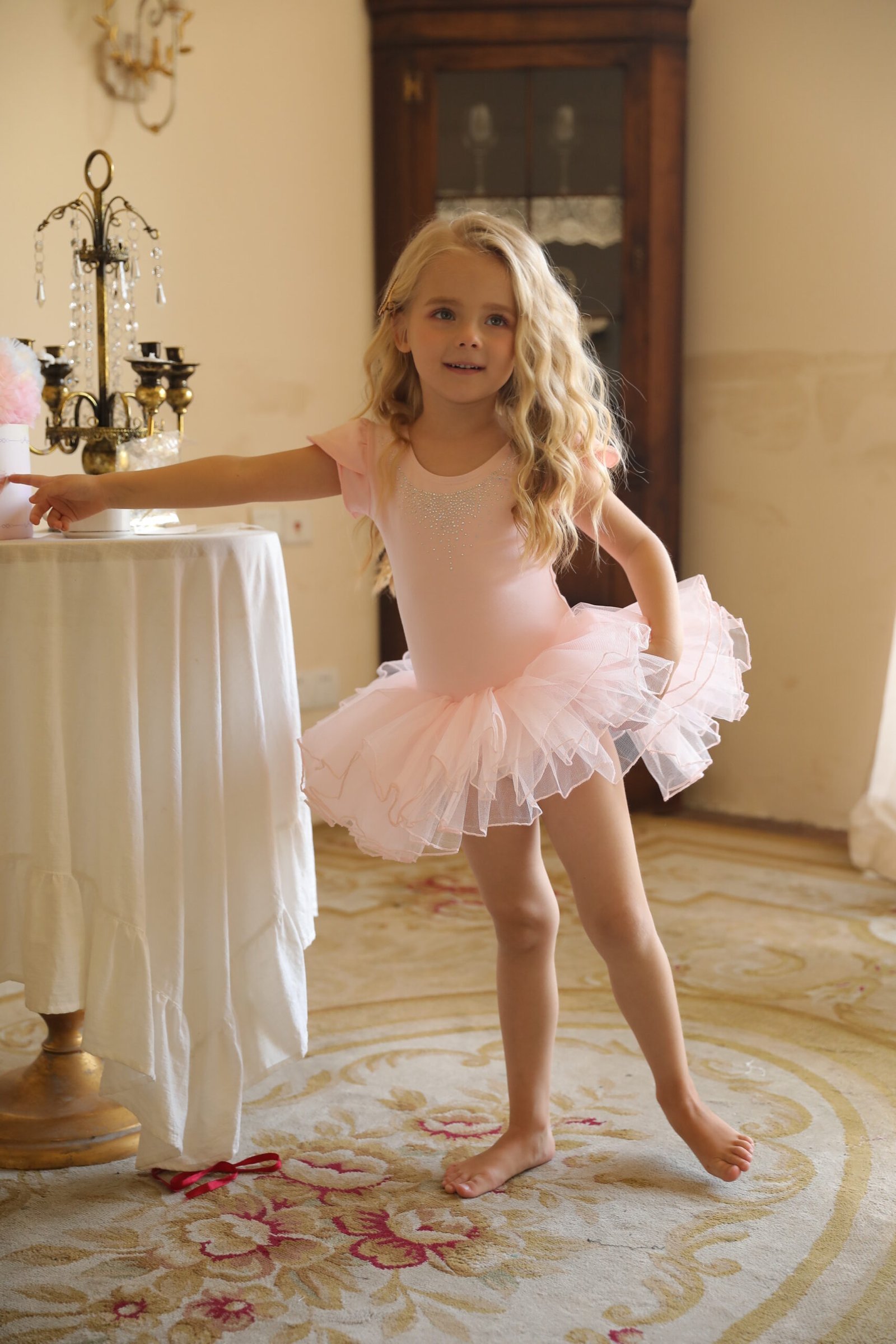
Start with the customer and the occasion
Before selecting trims or colors, define who the dress is for and where it will be worn. A birthday party tutu, a flower girl style, and a princess-inspired occasion dress can all use layered tulle, but their proportions and details may need to feel different. Include the target age range, the occasion, and the retail mood you want the collection to communicate.
Use a visual direction that can be discussed
Reference images are helpful when they are paired with short notes. Mark the elements that matter most: the neckline, sleeve shape, bodice texture, skirt volume, length, bow placement, or embellishment level. It is equally useful to identify the parts of a reference that you do not want to copy. This keeps the conversation focused on your own design direction.
Specify the tutu silhouette
The skirt is usually the first visual signal in a tutu dress. Your brief can describe whether you prefer a soft, floaty profile or a fuller, more structured volume. Note the desired length, number of visible layers, waistband or bodice transition, and how the tulle should move. If comfort is important for the intended use, state that early so lining and finishing can be discussed alongside the outer layers.
Make color and material choices usable
Color names alone can be subjective. Share swatches, a color reference, or a small palette that shows the main tone and supporting colors. For materials, identify the details you already know, such as tulle feel, lining preference, ruffle direction, lace accents, sequins, or appliques. When a final material is still open, describe the desired effect rather than leaving the decision completely undefined.
Include brand and packaging requirements
Private-label details should be part of the first brief, not an afterthought. List any woven labels, hangtags, care-label information, logo placement, or packaging expectations that matter to your brand. Even if the artwork is not finalized, noting these requirements early helps keep design, production, and presentation aligned.
Ask focused questions before sampling
Good buyer questions make the next step clearer. Ask which parts of the design need a confirmed reference, which choices will be decided during sample review, and what information is needed before a quotation can be prepared. Keep decisions, revisions, and approvals in one shared record so the brief remains useful as the collection evolves.
Build the brief around your collection, not one image
A single custom tutu dress can be a strong starting point, but boutique buyers often benefit from considering how it works with nearby styles, colors, and occasions. Browse the KOLESI product collections for visual direction, then use the customization page to organize a more complete request. When you are ready, the inquiry page is the place to share your references and questions.