How to Plan a Cohesive Rainbow Tutu Collection for Your Boutique
A colorful product can attract attention, but a collection needs more than a bright palette. Boutique buyers have to decide how each style fits the customer, occasion, price architecture, and other pieces in the assortment. A simple planning brief can help turn separate design references into a range that feels intentional.
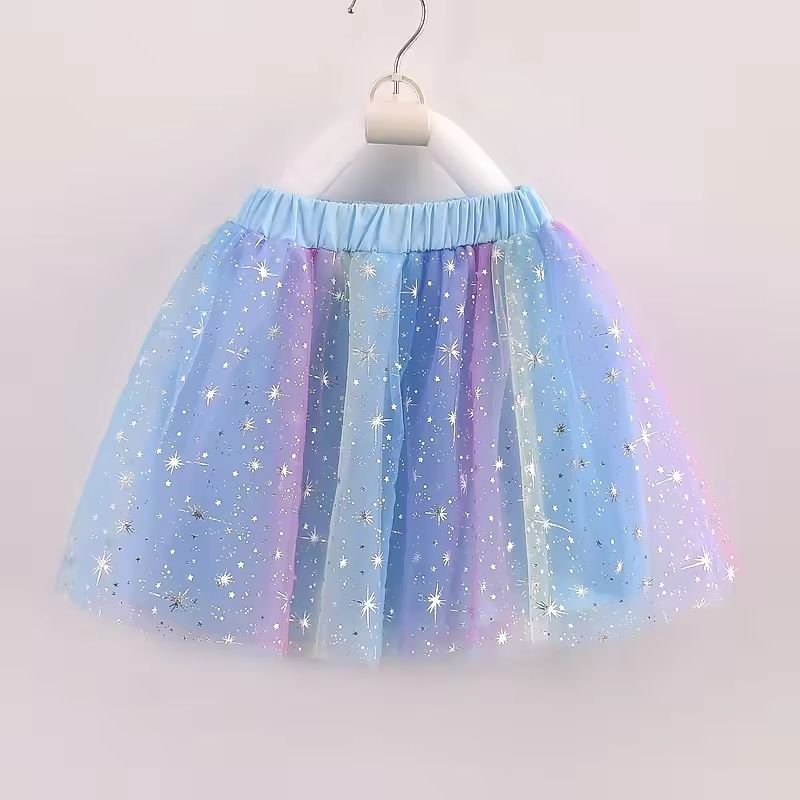
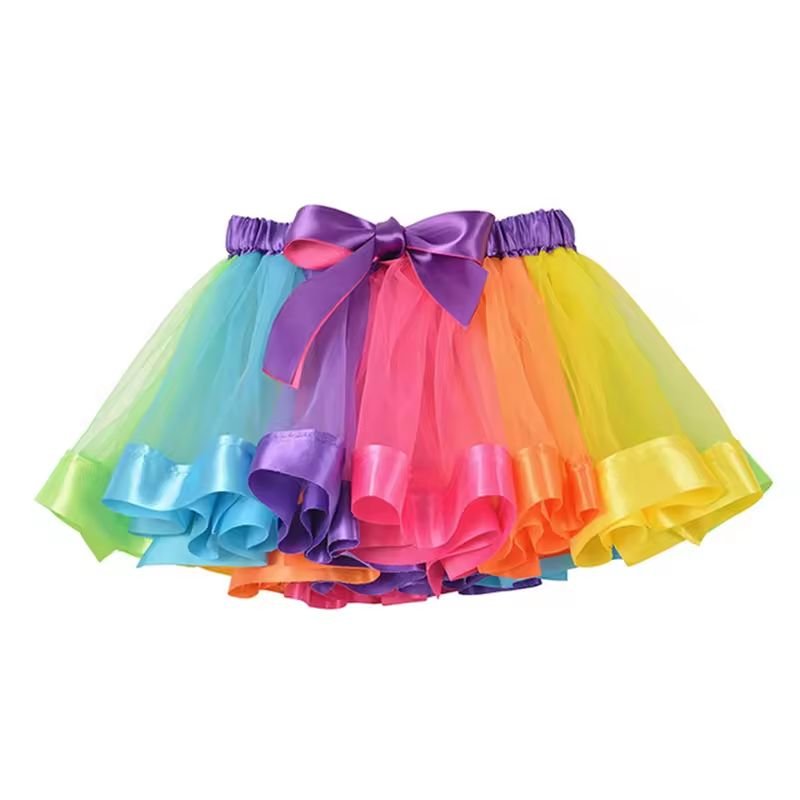
The two images selected for this article show different expressions of a rainbow tutu skirt: one uses a light blue and lilac palette with star details, while the other uses stronger multicolor panels and a purple bow. Use them as visual directions only until the actual garment and sample details have been checked. They are not evidence of confirmed stock, fabric composition, or production specifications.
Start with the customer and occasion
Before choosing colors, define who the collection is for and where the pieces may be worn. A boutique serving birthday shoppers may want a more celebratory color story. A dance or performance assortment may need a different balance of movement, coverage, and styling. A gift-focused range may call for simple product descriptions and easy-to-understand size information.
Write down the intended age group, sales season, occasion, and the customer’s likely style preference. These decisions help buyers assess whether a vivid skirt, a softer pastel option, or both belong in the same drop. They also give a supplier useful context when discussing a reference style.
Build one color story
Rainbow does not have to mean that every product uses every color. Choose a lead palette and decide how much contrast the collection should have. A softer group might use two or three closely related shades with small decorative details. A brighter group might use stronger color blocks, then repeat one accent color across its styles.
Make a small color board and label each tone with a reference, swatch, or approved sample. Screen images and indoor lighting can shift color, so a photograph alone should not be treated as final approval. If a buyer wants alternatives, list them as separate colorways and identify which details should stay consistent.
Choose silhouettes that work together
A cohesive collection can include more than one silhouette, but each style should have a clear role. Buyers might compare skirt length, volume, waistband appearance, bow placement, and the way the tulle layers are presented. Record what is essential and what is optional. For example, the color direction may be fixed while the trim placement remains open for review.
Avoid adding styles simply because they share a rainbow theme. Compare the images side by side and ask whether each one serves the same customer and occasion. If a dress, a separate skirt, and a formal flower-girl gown answer different needs, present them as separate groups rather than implying they are one product line.
Prepare buyer details before requesting a quote
A useful inquiry identifies the reference style, intended age range, size range, preferred colorway, estimated quantity, and destination market. Add any branding or packing requirements that matter to the project. If the request covers more than one color or size, describe the planned assortment clearly and ask how the details should be quoted.
These details help the supplier understand the project, but they do not determine a price or minimum by themselves. Cost, materials, sampling, and order conditions must be reviewed against the actual design and project requirements. Keep questions together in a short brief so that replies can be compared consistently.
Review the sample and product information
Before a style is shown to customers, compare the approved sample with the reference. Check the color, overall shape, skirt layers, waistband, bow attachment, finishing, and any decorative details that are important to the design. Confirm the size measurements and care information that will appear in the product listing. Record approved changes so that the final description reflects the confirmed product.
Also review the images used for marketing. Make sure the picture corresponds to the sample, represents color and details accurately, and is cleared for use. If an image is generated or materially edited, follow the platform’s current disclosure rules. Honest product pages help buyers understand exactly what they are evaluating.
Turn the plan into a clear collection brief
A practical brief can fit on one page: customer and occasion, color story, selected references, silhouette priorities, size range, estimated quantities, branding, packing, and destination. Mark each point as required, preferred, or open to discussion. This gives the buyer and supplier a shared checklist for development and sample review.
You can browse KOLESI wholesale tutu and dress styles, review customization options, and use the Buyer Guides to prepare a sourcing inquiry. For a project discussion, contact KOLESI TUTU at WhatsApp +86 136 5006 1099.
A strong rainbow assortment is not defined by the number of colors it contains. It is defined by a clear customer, a deliberate palette, and product details that have been checked before launch. Start with a focused brief, review the real samples, and expand the range only when each style has a purpose.