OEM Girls Dress Manufacturer: What to Confirm Before Sampling
Choosing an OEM girls dress manufacturer starts with a clear pre-sampling conversation. For boutique and private-label buyers, the goal is not simply to send one picture and ask for a price. A better first step is to confirm the design information that will shape the sample, the review process, and the next round of decisions.
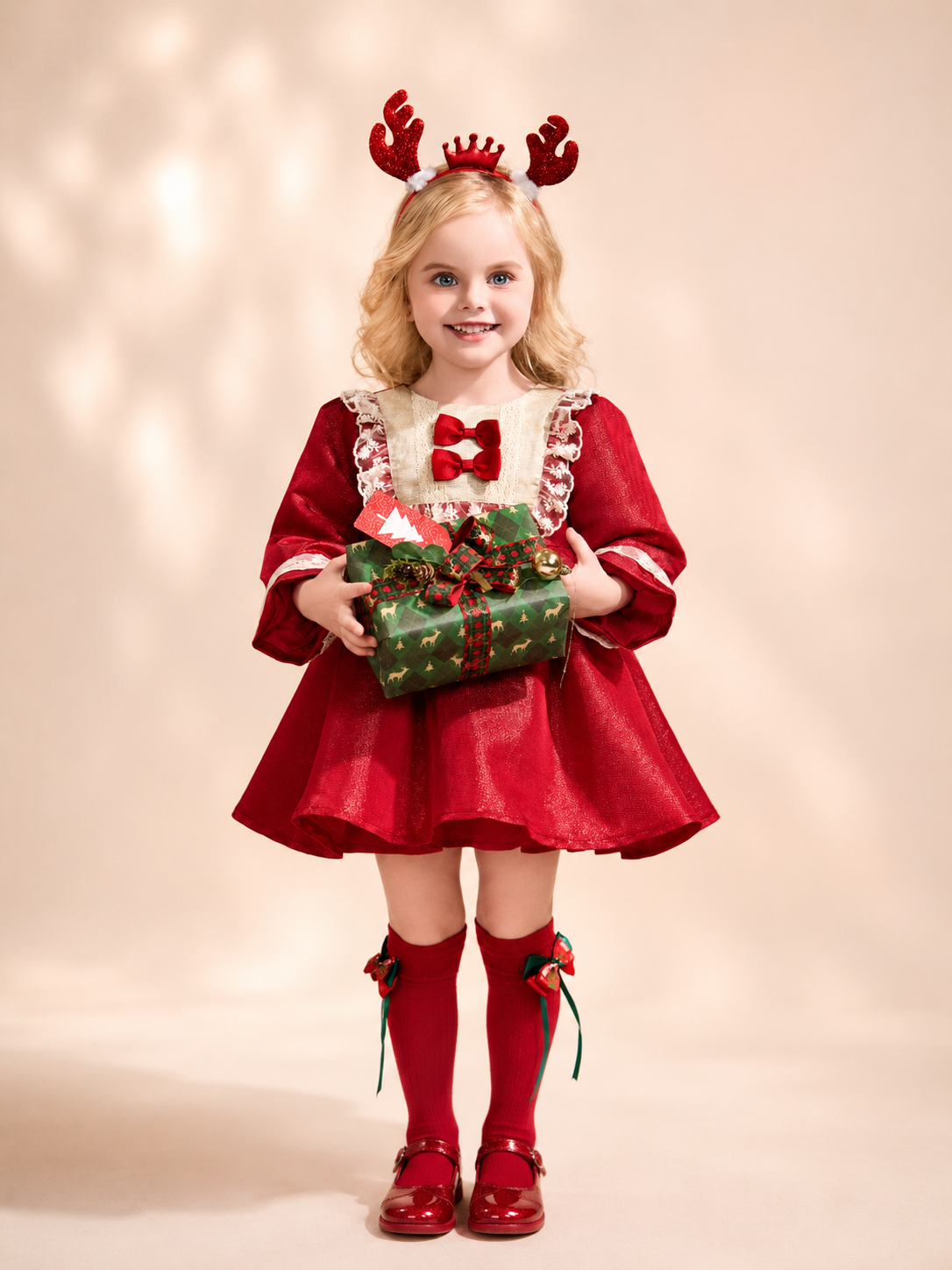
Define the style before discussing details
Begin with the basic dress category and its role in your collection. Is it a tutu dress, a princess style, a flower girl option, or a party dress? State the target age group, intended occasion, and visual direction. This makes it easier to decide whether the garment needs a fuller skirt, a simpler silhouette, a special neckline, sleeves, or a particular finishing style.
Share references with practical notes
Reference images are most useful when buyers add notes beside them. Identify which part of each image matters: a bodice construction, a ruffle layout, a skirt length, a color combination, or an overall mood. If you need changes, write them down clearly. A manufacturer can then respond to the design requirements rather than guessing which elements should remain and which should change.
Confirm materials, comfort, and construction
Girls occasion dresses need both visual impact and practical wearability. Before sampling, discuss the outer fabric, lining feel, tulle layers, decorative trims, closures, and places where comfort may matter. You do not need to have every material code ready, but you should state the effect you are aiming for: soft and airy, structured and full, delicate and detailed, or easy for all-day wear.
Clarify sizing and fit expectations
Use the sizing system that fits your brand and market. Include the target size range, any measurement chart you already use, and the intended fit. Notes such as fitted bodice, relaxed waist, tea length, or ankle length give the sample review a useful starting point. If your collection has an existing best-selling shape, mention it so the new style can be planned alongside it.
Bring branding into the first request
Private-label requirements can affect more than the label itself. List your logo format, label placement, hangtag needs, care-label details, packaging preferences, and any presentation references that are important to your customer experience. Keeping these details in the first brief helps prevent a design sample from becoming disconnected from the finished brand experience.
Set a structured sample-review routine
When the sample is ready, review it against the original brief. Compare the silhouette, color direction, material feel, finishing, and fit. Record feedback in one place and distinguish required changes from optional refinements. This creates a useful approval trail and makes the next discussion more efficient.
Turn a question into a better sourcing request
Buyers can use the KOLESI customization process as a starting point for organizing a request. The product collections can help communicate a visual direction, while the contact page is available for sharing references and asking specific development questions. A clear brief helps both sides focus on the product decisions that matter before sampling begins.