How to Plan a Private Label Girls’ Dress Collection Around One Style
A private-label girls’ dress collection needs a defined style, a proposed color and size assortment, and quantities that a supplier can review together. Start with one silhouette and a collection sheet rather than treating every reference image as a separate product. Record the details you want to keep, the changes you want to discuss and the questions that need sample confirmation.
A royal blue gown with off-shoulder sleeves and a layered full skirt offers a visual starting point for this guide. Its front, side and back views are illustrative references, not proof of material composition, fit or finished production quality. Use the images to explain your idea, then confirm the physical garment details during development.
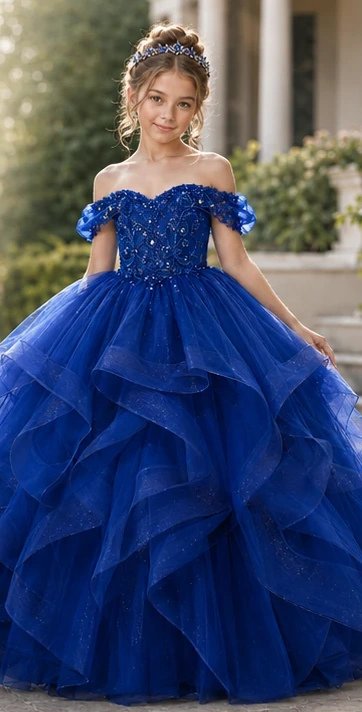
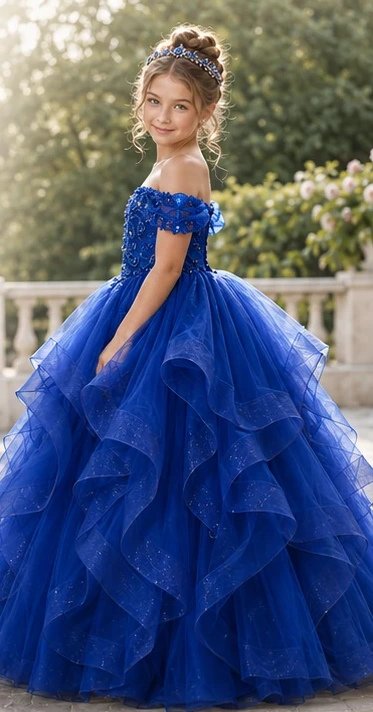
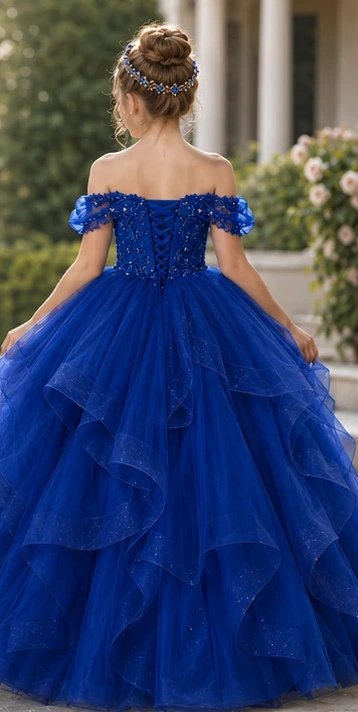
Illustrative style references; confirm materials, colors, construction and fit through physical samples.
1. Define the base style and its purpose
Write a short description of the dress your collection is built around. Include the intended occasion, silhouette, sleeve shape, neckline, waist treatment and skirt length. For the royal blue example, the sleeve shape and layered skirt are visible design features; fabric composition and garment measurements still require confirmation.
Choose which features should remain consistent across the proposed range. If you change the neckline, skirt construction and sleeve shape together, explain that you are discussing another design version. Review girls’ dress style references for direction, then identify your own requirements instead of copying every visible detail into an order brief.
2. Give each proposed colorway a clear role
Describe why each color belongs in your range. A proposed blue option might serve an occasionwear collection, while a different shade could be considered for another occasion. These are planning choices, not evidence that a particular material or color is available from the supplier.
Use a named color reference and explain which parts of the garment should match. The outer skirt, lining, bodice and trim may need separate discussion. Screen images can help communicate direction, but confirm the actual shade through agreed material references or samples. Record whether the trim should match the dress or provide a contrast, and leave unconfirmed choices clearly marked.
3. Build a quantity sheet by color and size
Create a table with one row for each proposed color and one column for each size. Add row totals, size totals and a collection total. This shows what you intend to order and gives the supplier a structured basis for reviewing the assortment.
Use your own sales history, audience knowledge or trial plan to decide the distribution. Do not assume equal quantities across every size or claim a size ratio is proven without data. If you are introducing a new range, mark the proposed allocation as a planning estimate. Ask the supplier to review material availability, construction needs and order requirements before treating the assortment as confirmed.
4. Keep branding and packing in the collection brief
Include label artwork, placement, size identification and packaging requirements alongside the product plan. Explain which details should be common across the collection and which vary by size or color. This is especially useful when the same dress silhouette appears under one private-label brand.
Describe any presentation requirements without inventing packing specifications. For example, ask how the sleeves and skirt should be arranged, how items should be identified and which carton information is needed for your destination. KOLESI TUTU’s OEM/ODM dress development page outlines areas buyers can discuss, including design, materials, sizing, labels and packaging. Confirm the scope for your actual project.
5. Separate sample review from collection approval
A design reference, a reviewed sample and an agreed order assortment represent different stages. Keep a dated record of the sample version, material references, measurements and requested revisions. If a color or trim changes, ask which related details need another review.
Before approving the collection plan, check that the proposed colorways and size quantities still match the latest sample decisions. Keep unresolved questions visible. A useful brief should show what is approved, what is proposed and what still needs supplier confirmation; it should not hide those distinctions behind a polished product image.
To request a girls’ dress project quote, send KOLESI TUTU your style reference, proposed color and size table, total quantity, branding needs and destination. You can also contact WhatsApp +86 136 5006 1099. Materials, pricing and timing should be confirmed for the actual collection before you make commitments based on the plan.