What Boutique Buyers Should Check Before Approving a Girls’ Tutu Dress Sample
When a boutique buyer is developing a custom girls’ tutu dress, the sample is the point where the brief becomes something tangible. It is also the best time to find small differences between the original idea and the finished garment. A sample review should not be limited to deciding whether the dress looks attractive in a photograph. It should help the buyer and manufacturer confirm the details that matter before the project moves to the next stage.
Compare the sample with the original brief
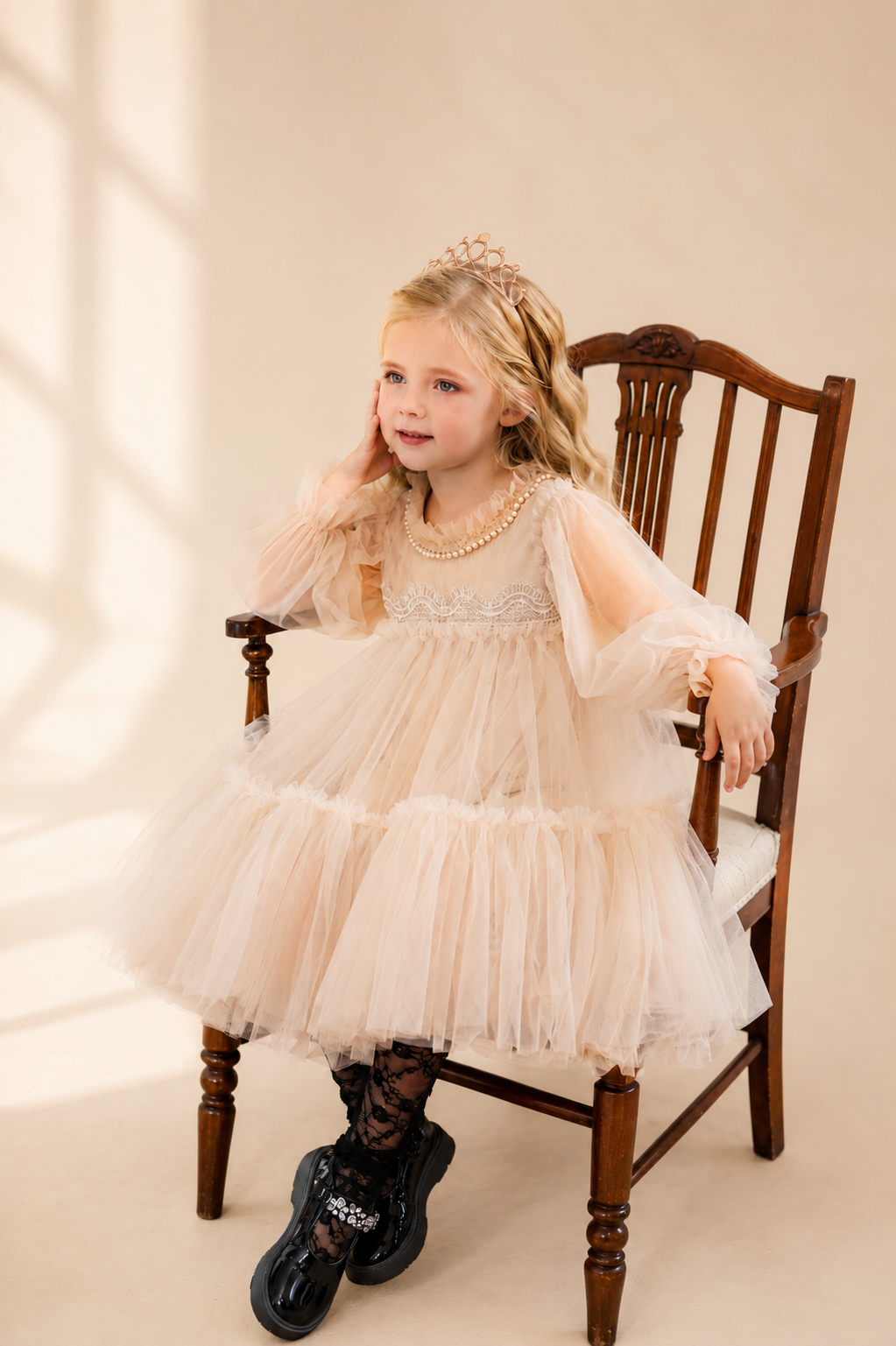
Start with the reference image, sketch, or tech pack. Look at the overall silhouette first. Is the bodice proportion close to the intended style? Does the skirt have the intended balance of volume and movement? For a tutu dress, the number of tulle layers, their placement, and how they sit after handling can change the finished impression. Save clear notes on anything that needs adjustment instead of relying on memory after the sample is returned.
Check comfort as well as appearance
Comfort is equally important for children’s occasionwear. Review the lining against the intended use of the dress. Check whether seams, trims, elastic, and decoration are positioned comfortably for the target age range. If the dress has appliques, bows, sequins, embroidery, or layered ruffles, ask whether each detail is secure and whether it affects movement. A beautiful sample is not yet a complete brief unless the wearing experience has also been considered.
Review construction details
Buyers do not need to inspect a sample like a technician, but a few practical checks make feedback clearer. Look at stitching consistency, edge finishing, attachment points, symmetry, and the relationship between bodice and skirt. If the reference image includes a particular colour, texture, or trim effect, compare the sample in natural light as well as indoor light. This is especially useful for pink, ivory, pastel, glitter, and ombre styles where a small colour difference can affect a collection’s visual identity.
Confirm sizing before bulk planning
Confirm the target size range, any size-ratio expectation, and whether the sample represents the intended fit. When a buyer has a specific market in mind, include the size convention or measurement guide in the feedback. This helps prevent a good-looking sample from becoming unclear when it is graded across several children’s sizes.
Use a separate private-label checklist
Review where a neck label, care label, hang tag, polybag, carton mark, or other packaging element will sit. Confirm the spelling, artwork version, placement, and any information required for the target market. Packaging should support the intended retail presentation, but it should also be practical for handling and delivery. Adding these details to the sample-review conversation gives both sides a more complete production brief.
Make feedback specific
The most useful feedback is specific and organized. Instead of saying that a dress needs to look more premium, identify the part that needs attention: a softer lining, fuller skirt, adjusted shoulder trim, different colour reference, revised bow placement, or updated label position. Photographs, marked-up images, and a short list of priorities make it easier to confirm the next action.
For buyers starting a new custom program, the first step is to share the product reference, target quantity, size range, destination market, and branding requirements. Browse the wholesale tutu dress collections for starting points, review the custom development process, and use the quote form to send your project brief. A careful sample review does not guarantee a finished order by itself, but it gives the project a clearer and more useful foundation.